Bordeaux 2016: Lalande de Pomerol
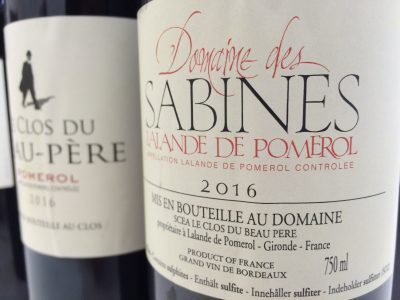
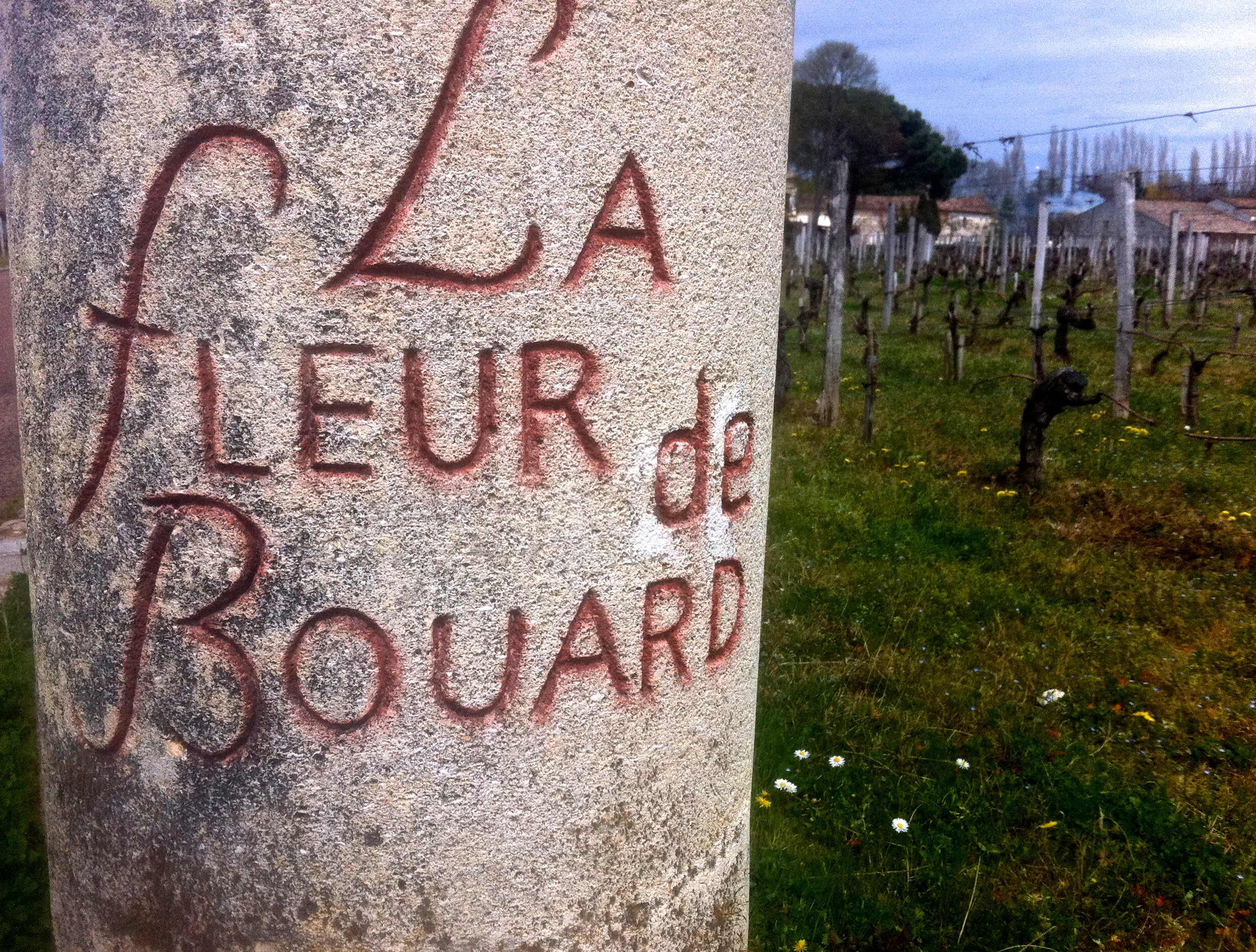
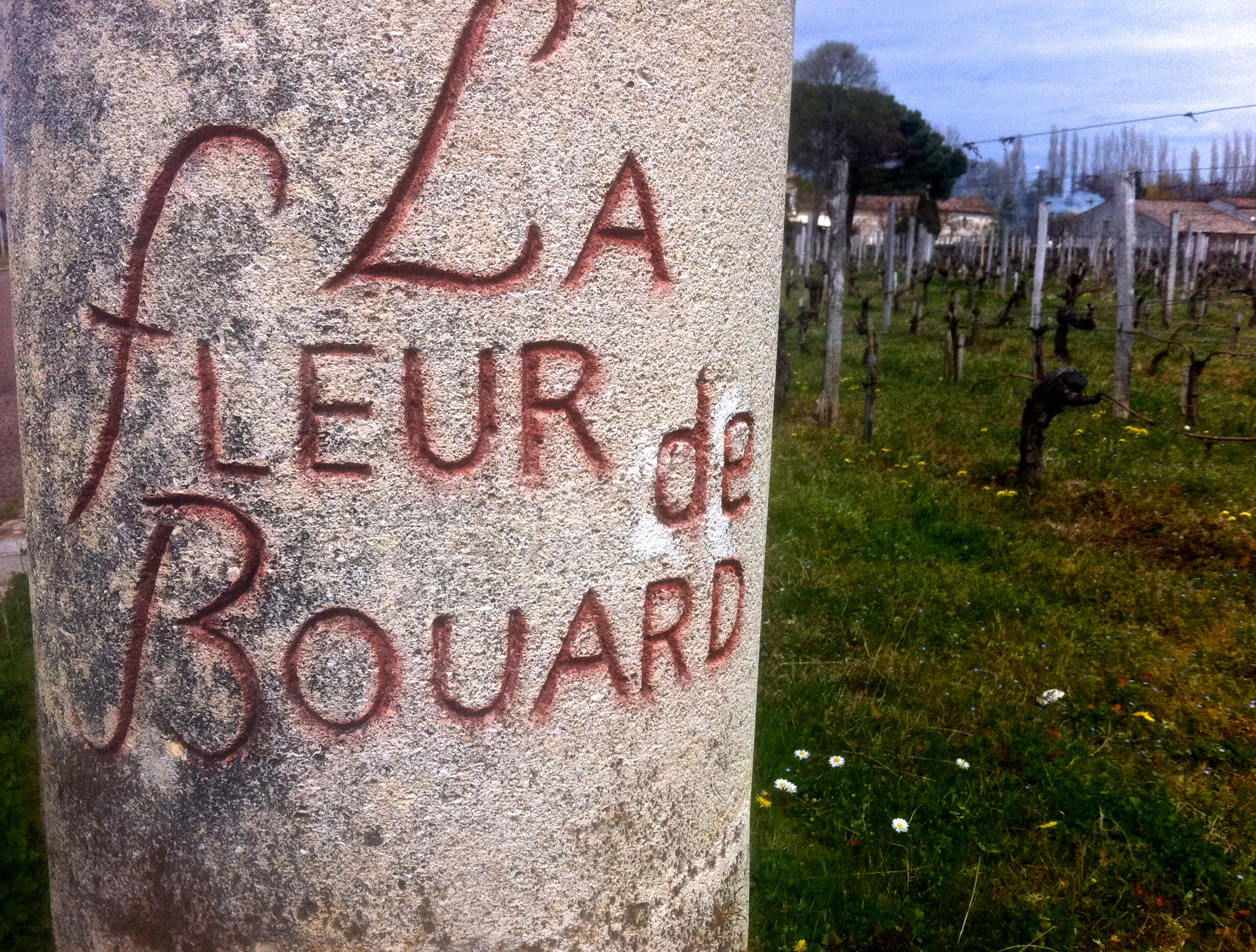
The best wines in Lalande de Pomerol in 2016 have really good succulence and texture. My picks? Jean-Luc Thunevin has produced another beauty at Domaine des Sabines [pictured left]. This wine shows remarkable consistency year to year. Hubert de Bouard has produced two terrific wines in La Fleur de Boüard and Le Plus de la Fleur de Boüard. The former is ravishing; the latter profound and concentrated. Château La Fleur St George, another de Boüard property, also looks good. Château Grand Ormeau, Château Jean de Gué, La Sergue, Château Saint-Jean de Lavaud and Château de Viaud all impressed at the Grand Cercle tastings. Château Siaurac and Château Tournefeuille, two well-regarded properties, also show promise. Siaurac was a little backward but nicely structured and Tournefeuille displayed plenty of joyful fruit.
 Well, there is no doubt about it. 2016 is a fascinating red wine vintage in Bordeaux across all the appellations. The quality of the wines took me by surprise, as it did Bordeaux’s vignerons themselves. The growing season proved to be the proverbial game of two halves. Spring was very wet indeed with variable weather, save for a perfect flowering period. Remarkable drought conditions then followed, with sun and heat, though the high summer days had a considerable diurnal temperature range, with cool nights. The lack of rain was a real worry by the beginning of September [with rising vine stress], but the vintage was made [saved?] but two bouts of essential rain in September. This allowed the grapes to achieve final ripeness [beautiful ripeness in many cases] which has resulted in a range of concentrated reds, with remarkably succulent tannins, fresh acids and reasonable alcohols [ie under 14 degrees]. At the top level the balance seems better than in